


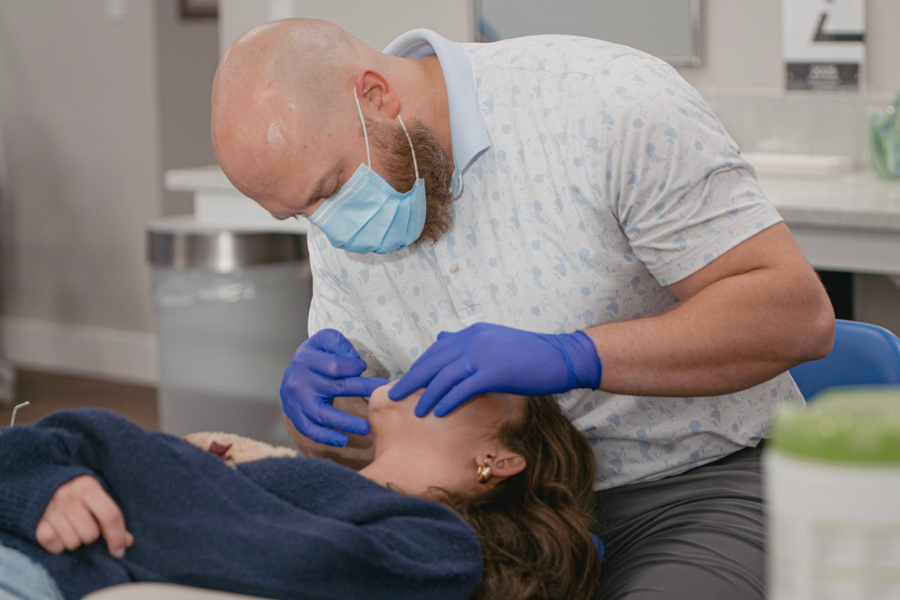
When your orthodontist first mentions a palatal expander or rapid palatal expander (RPE), you might feel a mix of curiosity and concern. What exactly is this device? Do our kids really need it? Will it hurt? These are completely natural questions, and we're here to give you straight answers. At Idaho Orthodontics, we believe informed parents make the best decisions for their children's smiles, so let's dive into everything you need to know about orthodontic expanders.
Contact us to request an appointment and let our team walk you through whether an expander is the right step for your child's smile journey.
Understanding What Orthodontic Expanders Actually Do
When we talk about orthodontic expanders, we're referring to a specially designed appliance that gently widens the upper jaw. The most common type is the palatal expander, which works by applying gentle, consistent pressure to the bones in the roof of the mouth. This encourages those bones to separate slightly and create more space in the dental arch. Think of it less like a force and more like a guide—your child's natural growth patterns are working alongside the expander to achieve optimal results.
The beauty of expanders is their timing. During childhood and early adolescence, the bones in the palate are still developing and haven't fully fused together. This biological window makes it possible for expanders to work effectively without surgery or the need for bone screw anchorage. We're essentially working with nature's own timeline, using the body's growth potential to create lasting changes. Without this early intervention, many children would eventually need more invasive treatments later on, like tooth extractions, surgical jaw widening, or adult expansion with bone anchors (MARPE).
Different types of expanders exist, including fixed expanders (which are bonded to the teeth) and removable versions (which your child can take in and out). Our orthodontists will recommend the best option based on your child's specific needs and age, and your first visit gives us the opportunity to evaluate everything thoroughly before recommending a path forward.
Why Your Orthodontist Might Recommend an Expander
Several situations call for an expander as part of a comprehensive treatment plan. One of the most common reasons is a crossbite, where the upper teeth bite inside the lower teeth instead of outside. Another frequent scenario involves a narrow palate that doesn't provide enough room for all permanent teeth to erupt properly. Some children have mouth-breathing habits that contribute to narrow arches, and an expander can help address this while we work on other aspects of treatment.
Early intervention with expanders can actually prevent more serious problems down the road. By creating adequate space now, we often avoid the need for tooth extraction, which means your child keeps all their natural teeth—always a win. Additionally, expanding the upper jaw can improve airway function, which may help with sleep quality and overall health. We've found that parents are often surprised to learn about these added benefits beyond just straightening teeth.
If your child's treatment plan includes an expander, it's typically used before or alongside braces or Invisalign®. The expander does the foundational work of creating space, and then other appliances fine-tune the alignment. This staged approach gives us the best possible outcome and often shortens overall treatment time compared to trying to address everything in a narrow space.
What to Expect: The Adjustment Period
The first few days after getting an expander can feel a little strange for your child—and that's completely normal. They might notice the expander feels bulky or that their speech sounds slightly different, almost like they're talking with a temporary lisp. This typically resolves within a week or two as their mouth adjusts. Some children report a slight sensation of pressure or mild discomfort, but genuine pain should never occur. If your child experiences significant pain, contact us right away.
One of the most important aspects of expander treatment involves the activation protocol. Depending on the type of expander, we'll show you—or your child, if they're old enough—how to gently turn a small key to gradually widen the device. This activation happens over several weeks or months, depending on how much expansion we need. It's absolutely crucial to follow the activation schedule precisely. Skipping turns or doing them too quickly won't speed up the process—it just risks discomfort or complications.
Eating might require some adjustment initially. While your child can still enjoy most foods, we recommend avoiding sticky foods, hard candies, and very hot foods during the activation phase. These precautions protect the expander and prevent accidentally damaging it. Most families find that within a few days, their children adapt beautifully and eat normally again.
Caring for Your Child's Expander
Keeping the expander clean is essential for healthy teeth and gums. We recommend gentle brushing around the appliance and using an interdental brush to clean underneath it. Some families find that a water flosser helps remove food particles more easily than traditional floss. If your child has difficulty reaching certain areas, don't hesitate to ask our team for specific cleaning tips during your appointments.
Regular check-ups at Idaho Orthodontics allow us to monitor your child's progress and ensure the expander is functioning properly. We'll check that the activation is occurring as planned, assess how your child is adapting, and watch for any concerns. These appointments are genuinely important—they're not just formalities. We're actively managing your child's treatment and making adjustments based on what we observe.
If the expander becomes loose, broken, or causes unexpected problems, contact us immediately. Our team is here to help, and we can usually address issues quickly. It's far better to reach out early than to wait and let a small problem become more complicated. Our treatment options & technology give us the precision and tools needed to keep your child's treatment on the right track.
Debunking Common Expander Myths
You might have heard some concerning myths about expanders, so let's set the record straight. One common misconception is that expanders are painful—they shouldn't be. Some pressure sensation is normal, but actual pain indicates something needs adjustment. Another myth suggests that expanders can damage teeth or roots. When used correctly and monitored by a qualified orthodontist, expanders are safe and don't harm tooth structure.
Some parents worry that an expander will change their child's facial appearance dramatically. In reality, the changes are usually subtle and primarily involve creating space in the upper jaw. Most visible improvements actually come from proper tooth alignment that follows expander therapy. Another false belief is that expanders work overnight—real expansion takes weeks or months. This gradual process is actually what makes it safe and effective.
We also hear concerns about whether expanders are necessary or just an unnecessary step. While not every child needs one, for those with genuine space limitations or crossbites, an expander is genuinely the most effective way to address these issues at the optimal time in development. Skipping this step often leads to more extensive and costly treatment later on.
The Timeline: What Happens After Expansion
Once we've achieved the desired amount of expansion, the expander typically remains in place for several months to allow the bone to stabilize and harden in its new position. This retention phase is crucial—removing the appliance too soon can result in relapse, meaning the jaw could shift back toward its original width. Patience during this phase pays off in long-term results.
After the retention period, we remove the expander and often transition to the next phase of treatment. This might involve braces to fine-tune tooth alignment or Invisalign® for those who prefer a more discreet option. We'll discuss all available options with you in detail so you understand the complete pathway to your child's ideal smile.
Once active treatment is complete, retainers become important for maintaining your child's results. Consistent retainer wear prevents relapse and keeps that beautiful smile stable long-term. We'll provide clear guidance on retainer schedules and care so nothing falls through the cracks.
Making the Decision: Questions to Ask Your Orthodontist
When your orthodontist recommends an expander, it's completely appropriate to ask questions. Understand exactly why expansion is recommended for your child's specific situation. Ask about the expected timeline, activation schedule, and what to expect during each phase. Discuss potential risks and benefits, and find out how the expander fits into the overall treatment plan.
Don't hesitate to ask about alternatives either. In some cases, other approaches might work, though expanders are usually the most effective option for their intended purpose. Our team at Idaho Orthodontics welcomes these conversations because we want you feeling confident and at ease about your child's treatment plan.
Taking the Next Step Toward Your Child's Best Smile
An orthodontic expander, when indicated, is a smart investment in your child's long-term oral health and confidence. Understanding how it works, what to expect, and why it's recommended takes away the mystery and helps everyone approach treatment with a positive mindset. Your child's smile is worth the commitment.
Ready to explore whether an expander might benefit your child? We serve families throughout the area with convenient locations in Pocatello, Chubbuck, Blackfoot, Soda Springs, and Malad. We're excited to partner with your family on this important journey toward a healthier, more confident smile.
Related Questions
How long does palatal expansion typically take?
Most expanders achieve the desired width over 8–12 weeks of activation, though this varies based on individual needs. After reaching the target expansion, the device stays in place for several months to allow bone stabilization before removal.
Will my child's speech be affected by an expander?
Minor speech changes like a slight lisp are common during the first week or two, but these almost always resolve quickly as your child adjusts to the appliance. Permanent speech issues are extremely rare.
Can an expander fall out or break?
While expanders are durable, accidents can happen. If your child's expander becomes loose or damaged, contact us right away. We can usually repair or adjust it quickly to keep treatment on track.
Is there an age limit for expander treatment?
Expanders work best during childhood and early adolescence when bones are still developing. Once the palate has fully fused, surgical expansion may be necessary, making early treatment preferable whenever possible.

.png)
.png)



.svg)

