


What is an ankylosed tooth?
Normally, a thin layer of tissue called the periodontal ligament separates a tooth’s root from the surrounding jawbone. This ligament helps support the tooth and allows it to erupt and respond to orthodontic movement. When a tooth becomes ankylosed, part of its root fuses directly to the bone, leaving the tooth fixed in place.
An ankylosed tooth may appear shorter or “sunken” compared with the teeth around it. The tooth has not necessarily moved downward. Instead, it has remained in place while the nearby teeth and supporting bone continued to develop. Ankylosed teeth are often painless and may only be discovered during a dental examination or through X-rays.
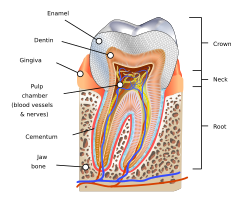
Why does tooth ankylosis matter?
Ankylosis can affect both baby and permanent teeth, although it is frequently seen in baby molars. An ankylosed baby tooth may not fall out on schedule, potentially interfering with the eruption of the permanent tooth underneath it. Nearby teeth may also begin to tilt into the area, reducing the space available for the permanent tooth.
Permanent teeth can sometimes become ankylosed following dental trauma. Because a fused tooth cannot respond normally to conventional orthodontic forces, ankylosis can affect how braces or clear aligner treatment is planned.
How is an ankylosed tooth treated?
Treatment depends on which tooth is affected, the patient’s age, the severity of the ankylosis, and whether nearby teeth are developing normally. An orthodontist may evaluate the tooth’s position, eruption pattern and mobility and use dental imaging to understand what is happening below the gumline.
Some ankylosed teeth only require monitoring. In other cases, treatment may involve rebuilding the biting surface, preserving space for another tooth, removing the ankylosed tooth at the appropriate time, or coordinating orthodontic care with another dental specialist. A personalized examination is necessary to determine the best approach.



.svg)

